

Preventive Dentistry Houston, TX, is designed to maintain a healthy smile. This process requires more than occasional dental visits; it takes consistency, awareness, and a proactive mindset. That’s why preventive dentistry in Houston is so important. Rather than waiting for dental problems like cavities or gum disease to develop, preventive dentistry focuses on keeping your teeth and gums healthy from the beginning. This approach helps you avoid discomfort, reduce long-term costs, and preserve your natural smile.
Preventive dentistry also includes regular denture services and dental implant maintenance, helping prevent further problems as they occur.
In a large and fast-paced city like Houston, where schedules are often packed with work and family responsibilities, preventive dental care offers stability and peace of mind. It allows individuals and families to stay ahead of potential issues, minimizing the risk of unexpected dental emergencies that can disrupt daily life.
What is Preventive Dentistry Houston, TX?
Preventive dentistry is built on the principle that early care leads to better outcomes. It includes regular dental checkups, professional cleanings, and ongoing oral health monitoring. These routine visits are designed to catch small problems to avoid emergency dental care.
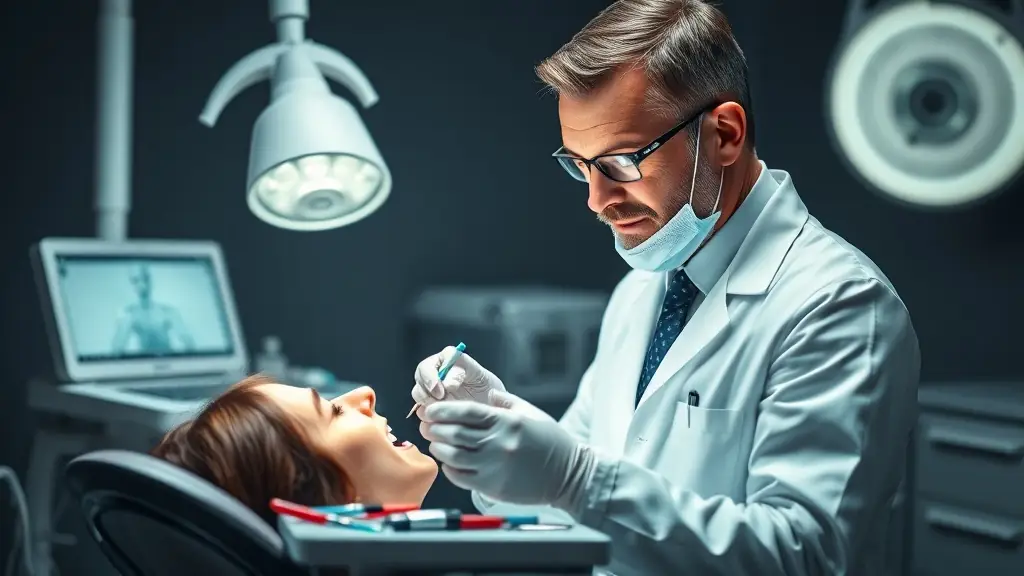
During a preventive appointment, a dentist will carefully examine your teeth and gums, checking for early signs of decay, gum disease, or other concerns. Professional cleanings are then performed to remove plaque and tartar buildup that cannot be eliminated through brushing alone. This combination of examination and cleaning forms the foundation of preventive care. All defined as general dental services, these approaches are designed to help each individual receive the care needed to maintain their dental health.

The Importance of Early Detection
By visiting a dentist regularly in Houston, these issues can be identified early, when they are easier to treat. If you are looking for cosmetic dental services, regular checkups can help you determine which procedures would be best for your current dental health. Early intervention not only prevents discomfort but also reduces the need for more invasive procedures. This approach helps preserve the natural structure of your teeth and supports long-term oral health.
The Connection Between Oral Health and Overall Health
Oral health is closely linked to overall health, and preventive dentistry plays a key role in maintaining both. Research has shown that poor oral health may be associated with systemic conditions such as heart disease, diabetes, and respiratory issues. Inflammation and bacteria in the mouth can affect other parts of the body, underscoring the importance of maintaining good oral hygiene.
Preventive orthodontic care helps reduce the risk of these complications by keeping the mouth healthy and free from infection. Regular cleanings, combined with proper home care, create an environment where harmful bacteria are less likely to thrive.
Daily Habits That Support Preventive Care
While dental visits are essential, daily habits have the greatest influence on your oral health. Brushing your teeth twice a day with fluoride toothpaste helps remove plaque and protect enamel. Flossing is equally important because it cleans the spaces between teeth that a toothbrush cannot reach.
Diet also plays a significant role. Frequent consumption of sugary or acidic foods can weaken enamel and increase the risk of decay. Consistency in these habits is what makes preventive dentistry effective. Small actions, when practiced daily, can prevent major dental issues that, over time, may lead to serious procedures like oral surgery.

Preventive Dentistry for Every Stage of Life
Preventive dentistry is not limited to a specific age group; it is essential for everyone. Children benefit from early dental visits that help establish healthy habits and create a positive association with dental care. As they grow, preventive treatments such as sealants and fluoride applications can protect their developing teeth.
For adults, preventive care helps maintain oral health despite the challenges of busy lifestyles. Regular checkups allow dentists to monitor changes and address issues such as gum disease or enamel wear before they worsen. Seniors also benefit greatly from preventive dentistry, particularly in managing age-related concerns like dry mouth, gum recession, and tooth sensitivity. With consistent care, it is possible to maintain a functional and comfortable smile well into later years.
Advances in Preventive Dental Technology
Modern periodontic care technology has enhanced the effectiveness of preventive care. Digital X-rays provide detailed images with minimal radiation, allowing dentists to detect issues that may not be visible during a standard exam. Intraoral cameras offer a closer look at the teeth, helping patients better understand their oral health.
These advancements make preventive dentistry more precise and efficient. They also improve communication between dentists and patients, encouraging greater involvement in maintaining oral health.
Building a Preventive Mindset
Preventive dentistry is as much about mindset as it is about treatment. It involves recognizing the value of regular care and making it a priority. Instead of waiting for problems to arise, you take steps to prevent them from happening in the first place.
In a dynamic city like Houston, adopting this mindset can make a meaningful difference. It helps you maintain control of your oral health and reduces the risk of unexpected dental issues that can interfere with your daily routine.
The Confidence of a Healthy Smile
A healthy smile can have a powerful impact on your confidence and overall quality of life. Preventive dentistry helps ensure that your teeth remain clean, strong, and visually appealing. This not only improves your oral health but also enhances your self-esteem in social and professional settings.
When you feel confident about your smile, it naturally influences how you interact with others. Preventive care supports this confidence by helping you maintain a smile that you can feel proud of.
Frequently Asked Questions
How often should I visit the dentist for preventive care?
Most individuals should visit the dentist every 6 months, though some may need more frequent visits depending on their oral health needs.
What happens during a preventive dental visit?
A typical visit includes an examination, professional cleaning, and possibly X-rays or additional preventive treatments.
Is preventive dental care affordable?
Preventive care is generally more affordable than restorative treatments and is often covered by dental insurance plans.
Find Your Preventive Dentistry Care Provider in Houston
Choosing preventive dentistry in Houston is one of the most effective ways to maintain long-term oral health. By focusing on regular care, healthy habits, and early detection, you can protect your smile and avoid many common dental problems. Preventive dentistry is ultimately an investment in your well-being. With consistent care and the right mindset, you can enjoy a healthy, confident smile that lasts for years to come. Call us today to schedule your visit.
Fun Facts About Houston, TX
- Houston is the largest city in Texas and one of the most diverse in the United States, known for its rich blend of cultures that shape its food, arts, and traditions.
- The city is home to the NASA Johnson Space Center, where astronauts are trained and mission control operates, earning Houston the nickname “Space City.”
- Another defining feature is the Texas Medical Center, the largest medical complex in the world, along with Houston’s unique lack of traditional zoning laws, which contribute to its dynamic, ever-evolving urban landscape.
Gentle Dental Care
Ready to Book a Visit?
Seven convenient Houston-area offices. Choose the location nearest you and schedule your appointment today.
Choose Your Location



