
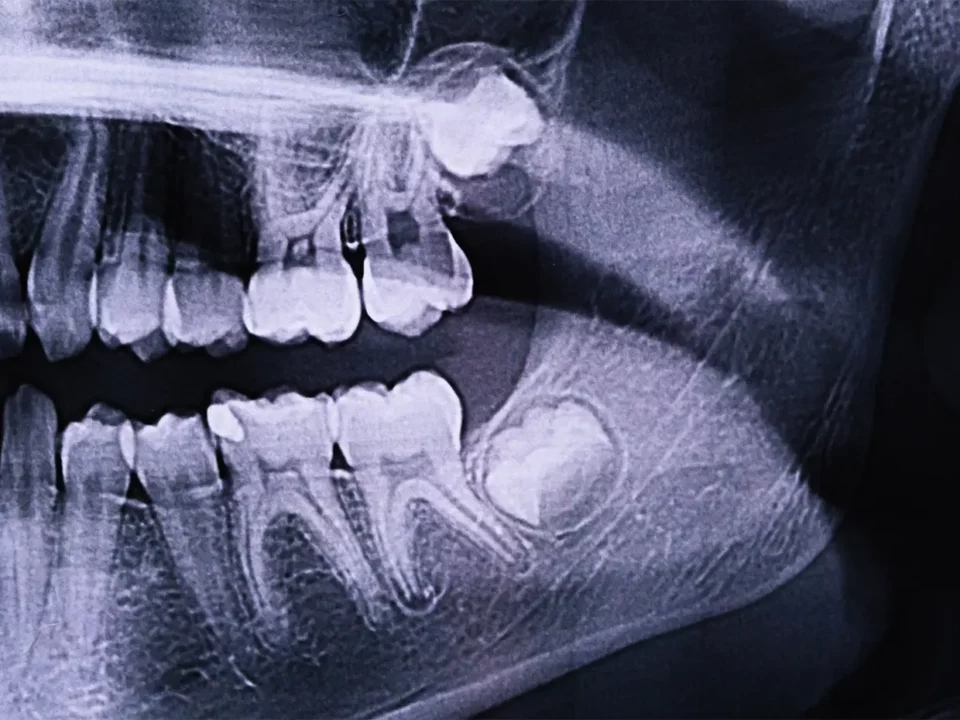
Gentle Dental Care delivers expert, compassionate support to help patients better understand and manage mouth cancer Magnolia, TX.
Hearing the words “mouth cancer” can feel overwhelming. It’s a serious condition, but understanding your options can make a big difference in how you approach it. Mouth cancer can affect different parts of your oral cavity. In many cases, symptoms start small and are easy to overlook, which is why early detection is so important.
That being said, there are a number of useful treatments available right now. The best way to treat cancer depends on many factors, and many people overcome this difficult time with the right care and advice. Gentle Dental Care helps in early detection and ongoing support, making sure that patients take the right steps at the right time.
Understanding Mouth Cancer Magnolia, TX
Mouth cancer happens when cells in the mouth start to grow out of control. These abnormal cells can grow into tumors that can spread to other parts of the body if they are not treated correctly. Early signs can be hard to detect. You may have a sore that won’t heal, a lump, or pain in your mouth that won’t go away.
There are several things that could put you at risk. The most common is smoking. Additionally, drinking alcohol can raise the risk, especially when paired with smoking. There are some types of HPV that are linked to oral cancer. Even being out in the sun for a long time can cause cancer, especially on the lips.

Oral examinations are the first step in diagnosis. Your dentist checks the soft tissues of your mouth for any abnormalities during a regular dental checkup. Obtaining a biopsy may be suggested in cases where concerns are identified. The process begins with the collection of a little tissue sample for further examination.
Getting an accurate diagnosis is a critical first step. It helps guide every decision that follows. The best chance of a positive outcome and more treatment options are available when the illness is detected earlier.
Common Treatment Options for Mouth Cancer
After being sure of the diagnosis, the next step is to choose the best treatment plan. There isn’t an answer that works for everyone. Instead, treatment is different for each person and depends on factors like where the cancer is located and what state it is in.
Surgery is often one of the first things that doctors suggest. The goal is to get rid of the growth and any tissue nearby that might be affected. In some cases, this may also include reconstructive treatments designed to help the person appear and function normally again. Even though the thought of surgery can be scary, it is often a necessary and helpful step.
Another popular method is radiation therapy. High-energy rays are used in this treatment to locate and destroy cancer cells. In the early stages, it can be used by itself. In later stages, it can be used with surgery. Radiation is carefully made to focus on the damaged area and do as little damage as possible to healthy tissue around it.
Besides other treatments, chemotherapy is sometimes used. It includes drugs that help kill cancer cells or slow their growth. This method is often suggested when the cancer has spread or there is a higher chance that it will come back.
Targeted treatment is a newer choice that focuses on certain traits of cancer cells. It doesn’t affect all cells that divide quickly; instead, it targets proteins or processes that cancer cells need to grow. This can sometimes help make treatment more accurate.
Most of the time, a mix of these methods is used. Before suggesting a plan, your healthcare team will think about all the important factors. A personalized method makes sure that the care you get is effective and right for your needs.

Recovery, Side Effects, and Supportive Care
Recovery from mouth cancer treatment can take time. It often involves both physical and emotional adjustments. Some patients experience side effects such as fatigue, mouth sores, or difficulty eating and speaking. These effects can vary depending on the type of treatment received.
Supportive care is important. For example, nutritional support may be necessary if eating becomes challenging. Soft foods or specialized diets can help ensure you’re still getting the nutrients your body needs.
Regular checkups allow your healthcare team to monitor your progress and catch any potential issues early. These visits also provide an opportunity to address ongoing concerns and make adjustments to your care plan if needed.
Oral hygiene remains essential throughout recovery. Keeping your mouth clean can help prevent infections and support healing. Gentle Dental Care works with patients to maintain oral health during and after treatment, offering guidance that fits each individual’s situation.
Lastly, facing a diagnosis and going through treatment can be stressful. Having a support system, whether it’s family, friends, or healthcare professionals, can make a meaningful difference.

Gentle Dental Care Services That Support Early Detection and Care
Gentle Dental Care offers a variety of services that promote early detection and continuous oral health. These services are crafted to empower patients to take charge and deal with concerns before they evolve into bigger issues.
Oral cancer screenings play a vital role in enhancing routine dental visits. The dentist checks for any changes in the mouth, including sores, lumps, or discoloration, to make sure everything is in good shape. If more tests are needed, a biopsy might be suggested to help confirm the diagnosis. Finding the disease early can change the course of treatment for the better.
Patients in need of further treatment can access oral surgery services. In the course of treatment planning, this may involve the removal of abnormal tissue. Care is more efficient and consistent when all of these options are in one place.
Dental hygiene services also play a key role. Regular cleanings help maintain a healthy environment in the mouth, which is especially important during and after treatment. Keeping the gums and teeth in good condition supports overall recovery.
If you experience sudden pain, swelling, or other urgent symptoms, prompt emergency care can help prevent complications. Quick access to treatment provides peace of mind and helps address issues before they worsen.
Together, these services create a comprehensive approach to care. Gentle Dental Care focuses on prevention, early detection, and patient support, helping individuals stay informed and confident about their oral health.
[asm_faq]
Your Next Move for Better Oral Health Starts Here
Having knowledge about the choices for treating oral cancer can help put a handle on a challenging situation. Every stage, from diagnosis to recovery, contributes to achieving the optimal result. Find out more insights on our blog.
If you’ve noticed any unusual symptoms or it’s been a while since your last dental exam, now is the time to take action. Call our team at Gentle Dental Care. Schedule your appointment at your nearest clinic, and take a proactive step toward protecting your oral health.
Fun Facts About Magnolia, TX:
- Magnolia has grown from a quiet railroad-era settlement into a suburban-rural community.
- Many residents choose Magnolia for its larger lot sizes compared to nearby neighborhoods.
- The community has a strong tradition of local events that focus on family activities.
Gentle Dental Care
Ready to Book a Visit?
Seven convenient Houston-area offices. Choose the location nearest you and schedule your appointment today.
Choose Your Location



